A Lifeline for Animals in Distress
Across India, countless animals face life-threatening situations every day—whether from traffic accidents, disease, abandonment, or neglect. For many of them, rescue begins with a single phone call.
The emergency hotline operated by People for the Ethical Treatment of Animals India receives more than 50,000 calls annually from concerned citizens reporting animals that urgently need help.
To handle these emergencies, dedicated rescue teams based in Mumbai and Delhi work 24 hours a day, seven days a week. They remain constantly on standby, ready to respond whenever an animal’s life may be at risk.
For the rescuers, every incoming call represents a chance to save a life that might otherwise go unnoticed.
Dramatic Rescue Missions
Many of the situations rescue teams face are both challenging and unexpected.
In one incredible operation, a mother cat and her kitten were discovered trapped inside a deep ventilation shaft, nearly 15 meters underground. Using carefully lowered equipment and steady coordination, rescuers managed to retrieve both animals safely and bring them back to the surface unharmed.
Another emergency unfolded at a gas station in Mumbai, where a dog had been struck by a passing vehicle. The rescue team rushed to the location, transported the injured dog to a veterinary clinic, and ensured he received immediate treatment.
Some rescues require complex medical care. In Delhi, veterinarians performed surgery on a dog named Buri, removing a large benign tumor that had severely affected her quality of life. After the procedure, she finally had the chance to live comfortably again.
Skin diseases are another widespread problem among stray animals. Rescue teams treat hundreds of animals suffering from mange each year, a painful skin condition that causes extreme irritation and makes it difficult for animals to rest or heal. Nearly 500 cases are treated annually.
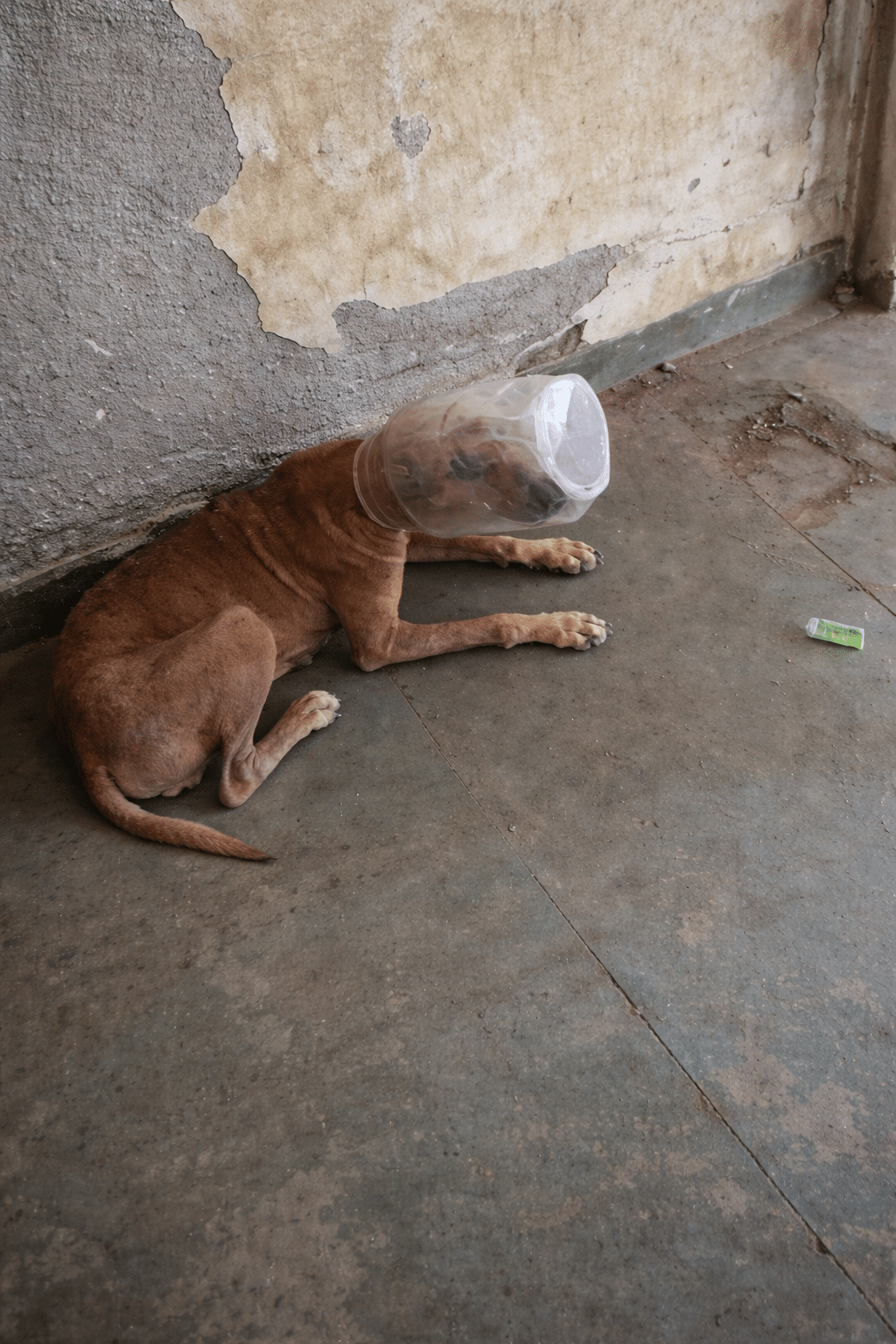
Other unusual rescues include kittens trapped inside car engines and dogs with plastic containers stuck around their heads, situations that can prevent animals from eating or drinking and quickly become fatal if help doesn’t arrive in time.
Video Thousands of Animals Saved Each Year: Inside the Tireless Rescue Work of PETA India
Protecting Wildlife and Managing Stray Populations
Beyond emergency rescues, the organization also works on long-term solutions to improve animal welfare.
Rescue teams have confiscated illegally kept peacocks, transferring them to rehabilitation centers where they can safely recover and eventually return to appropriate habitats.
Birds injured by dangerous kite strings known as “manja”—which often cause severe injuries during festivals—are also treated by veterinary teams.
To address the challenges of stray animal overpopulation, sterilization programs are carried out regularly. In Mumbai alone, more than 850 stray cats have been sterilized, helping reduce uncontrolled breeding and easing competition for scarce food resources.
The organization also works to find safe homes for animals who cannot return to the streets, including rescued dogs, ducks, and even turtles.
Standing Up Against Animal Cruelty
Rescue work is only part of the mission.
PETA India also collaborates with law enforcement agencies to ensure cases of animal cruelty are investigated and prosecuted.
Working alongside police authorities, the organization has helped bring legal action against individuals responsible for harming animals. In one notable case, a man accused of killing a gray langur was denied bail multiple times.
In other investigations, individuals accused of severely abusing dogs have also faced legal consequences.
A particularly important milestone occurred in Mumbai, where the first official criminal report (FIR) was filed against the practice of cutting dogs’ ears for purely cosmetic reasons—a painful and unnecessary procedure that provides no medical benefit.
These legal actions play a critical role in strengthening protections for animals and reinforcing the message that cruelty cannot be ignored.
Helping Animals During the Pandemic Lockdown
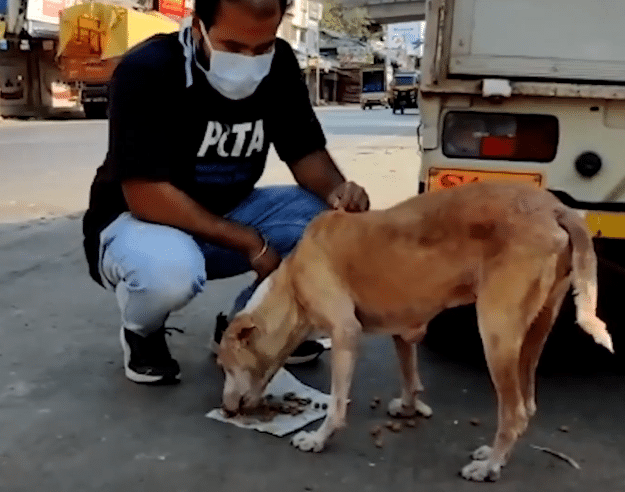
When the COVID-19 lockdown began, many stray animals suddenly lost access to the food they relied on from markets, restaurants, and street vendors.
Recognizing the urgent crisis, PETA India stepped in to advocate for government support.
Their campaign helped convince the Chief Minister of Maharashtra to officially classify feeding and assisting animals as an essential service during the lockdown.
This decision allowed volunteers and rescuers to continue providing food and care even under strict restrictions.
For countless animals struggling to survive during that period, the policy became a lifeline.
A Mission That Never Stops
From emergency rescues and medical treatment to wildlife protection and legal advocacy, the work of PETA India continues around the clock.
Every call received by the hotline represents another opportunity to ease suffering and offer an animal a second chance.
The organization encourages anyone in India who encounters an animal in distress to report the situation through their emergency hotline so trained rescuers can respond.
Because sometimes, one simple phone call can mean the difference between suffering and safety—and every animal deserves that chance. 🐾